In This Article
- 1 How Solar Performs in Winter
- 2 Solar Still Works in Winter: Understanding Seasonal Performance
- 3 How Winter Weather Affects Solar Panels
- 4 Why Winter Is Not a Problem for Well Designed Solar Systems
- 5 Seasonal Maintenance: Protecting Output in the Winter Months
- 6 Commercial Solar in Winter: What Businesses Can Expect
- 7 Maximising Solar Efficiency in Winter
- 8 Thinking About New Solar Projects This Winter
- 9 Conclusion
How Solar Performs in Winter
When temperatures drop and the days get shorter, many organisations begin to wonder if their solar panels can still deliver meaningful output through the winter season. It is a common concern, especially for businesses that are exploring solar for the first time or looking to improve an existing system. The good news is that winter is far from a dead period for solar energy. In fact, the colder months can offer unique advantages that many people are unaware of.
Whether you operate a commercial site, run a solar farm portfolio or manage multiple properties, understanding how solar systems behave in winter is essential for planning, maintenance and long term ROI. In this guide, we explore how solar panels perform in colder weather, what impacts their efficiency, and the steps businesses can take to maximise output all year round.
Solar Still Works in Winter: Understanding Seasonal Performance
Solar panels generate electricity from light, not heat. This means that even on cold, crisp days, panels will continue to produce energy as long as there is daylight. The sun sits lower in the sky during winter and days are shorter, which naturally reduces overall generation. However, modern solar technology is designed to work effectively even in low light conditions.
Colder temperatures can also be beneficial. Solar panels operate more efficiently when they are cool, and winter climates often help panels run at their optimal efficiency. While summer offers the longest days and highest totals, winter solar plays an important role in balancing annual production and ensuring that systems continue to deliver value over the full year.
How Winter Weather Affects Solar Panels
1. Lower Sunlight Hours
The biggest factor affecting winter production is fewer daylight hours. In the UK, daylight can drop to as little as seven hours in December. This naturally means your total daily output will be lower than in summer.
2. Overcast Conditions
Cloud cover can reduce generation by limiting the amount of direct sunlight hitting the panels. However, modern photovoltaic systems still generate electricity from diffuse light that passes through clouds. Performance dips, but generation does not stop.
3. Snow and Frost
Snowfall is less common in many parts of the UK, but when it happens it can temporarily reduce output. Snow does not normally damage panels and it tends to slide off quickly due to the smooth surface and angled installation. Frost usually melts rapidly once the sun rises.
4. Cold Temperatures Improve Efficiency
Colder conditions mean panels operate more efficiently. Heat reduces voltage and can hamper performance in summer, so winter can offset losses caused by shorter daylight hours.
Why Winter Is Not a Problem for Well Designed Solar Systems
Solar farms and commercial systems are designed with year round performance in mind. Winter output is factored into the expected annual yield during the planning and feasibility stage. This is where working with an experienced consultancy becomes essential.
Businesses using professional support services, such as Arc Renewables
Renewable Energy Consultancy, benefit from accurate modelling that accounts for seasonal variations, shading, temperature behaviour and panel characteristics. This ensures the system installed on site can perform reliably in all weather conditions and will deliver the predicted return on investment.
Seasonal Maintenance: Protecting Output in the Winter Months
Winter is one of the most important times to ensure your solar installation is operating correctly. Cold, wet and windy conditions can create wear and tear on components, wiring or mounting systems. Proactive maintenance is the best way to protect performance and prevent long term degradation.
Routine System Health Checks
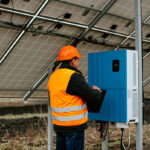
A structured O and M programme ensures that any issues are caught early. Regular inspections cover inverter performance, wiring integrity, mounting checks and general electrical condition. Businesses that partner with professionals like Arc Renewables
O and M Servicing teams benefit from continuous monitoring and rapid response times.
Cleaning and Debris Removal
Winter storms often leave leaves, dirt or debris on panels. Although rainfall naturally washes most surfaces, scheduled cleaning can prevent build up and maintain maximum light absorption.
Checking Inverters and Meters
Inverters work harder during low light periods and are particularly important in the winter months. Early detection of inverter faults can prevent unexpected generation losses.
Vegetation and Surroundings
Winter winds can cause branches and nearby vegetation to shift or lean closer to an array. Ensuring the area remains clear helps prevent shading issues and reduces the risk of damage.
Commercial Solar in Winter: What Businesses Can Expect
Businesses often experience lower consumption during certain winter periods, especially between Christmas and New Year. Solar generation during these quieter times can offset fixed energy use such as lighting, refrigeration, server rooms and heating pumps. Even reduced output plays a significant role in controlling energy bills during the most expensive months of the year.
Companies with export agreements may still generate enough surplus to contribute to revenue during winter. Solar farms in particular continue to generate meaningful output even during overcast periods, thanks to the scale of the arrays and the efficiency of modern modules.
For organisations planning to install new systems, winter can be an ideal time to begin the feasibility or design process. By the time the installation is completed, the system is ready to take full advantage of the long summer months to come.
If you need support evaluating the winter performance of a potential site, Arc Renewables
Solar Farm Consultancy services offer expert guidance on design, planning, grid connection and yield modelling.
Maximising Solar Efficiency in Winter
1. Keep Panels Clear of Shade
Trees without leaves still cast shadows. Winter shading analysis is important to ensure nothing blocks direct sunlight during shorter daylight windows.
2. Monitor System Performance Regularly
Modern solar installations are equipped with monitoring portals that show output in real time. Sudden drops in performance often indicate minor faults that can be fixed quickly.
3. Combine Solar With Battery Storage
Battery storage is one of the most effective ways to maximise winter solar value. Storing excess energy generated during daylight hours allows businesses to use it during peak price periods in the early morning or evening.
4. Invest in Quality Components
High quality modules, inverters and mounting structures maintain better efficiency in winter. They also recover more quickly during variable weather conditions.
5. Conduct an Annual Winter Inspection
A yearly winter check ensures the entire system is ready for the hardest months of the year and protects long term output.
Thinking About New Solar Projects This Winter
Winter is not a barrier to solar. In fact, for many organisations it is the perfect moment to start building a long term renewable strategy. Energy prices tend to rise in colder months, making savings from solar more noticeable. Winter is also a quieter period for many businesses, providing a good window to assess sites, review feasibility and plan upgrades.
If you are considering a new installation, Arc Renewables
Project Delivery team supports the full lifecycle of solar projects, from initial design through to construction management and final commissioning.
Conclusion
Solar energy remains an effective and reliable technology throughout winter. While seasonal changes reduce total output, the colder months still provide consistent generation and can offer more efficient operation than many people expect. With proactive maintenance, smart design and professional support, businesses can enjoy steady performance all year.
Whether you are managing a solar farm, exploring renewable options for your organisation or planning upgrades to an existing system, understanding winter performance ensures you get the most from your investment. The experts at Arc Renewables are here to support every stage of the journey, providing consultancy, design, maintenance and project delivery services tailored to your needs.
If you would like help assessing your current system or planning a new project, Arc Renewables can guide you through the process and ensure your system performs at its best throughout winter and beyond.