How Much Do Industrial Solar Panels Cost

Feb 12, 2026 | Blog

As energy prices continue to rise and sustainability becomes a priority for businesses worldwide, industrial solar power systems are becoming an increasingly attractive investment. However, one of the first questions companies ask is: How much do industrial solar panels cost? The answer depends on several factors, including system size, location, equipment quality, installation complexity, and available incentives. In this guide, we’ll break down industrial solar panel costs, key influencing factors, return on investment (ROI), and frequently asked questions.

Average Cost of Industrial Solar Panels

Industrial solar panel systems are significantly larger than residential systems and are typically installed on factories, warehouses, manufacturing plants, and large commercial facilities.

Cost Per Watt

Industrial solar systems generally cost between:

€0.80 to €1.50 per watt (installed)

This price includes panels, inverters, mounting systems, labor, permitting, and other balance-of-system components.

Cost by System Size

Here’s a rough estimate based on system capacity:

System Size Estimated Cost Range
100 kW £80,000 – £150,000
250 kW £200,000 – £375,000
500 kW £400,000 – £750,000
1 MW £800,000 – £1.5 million
5 MW £4 million – £7.5 million

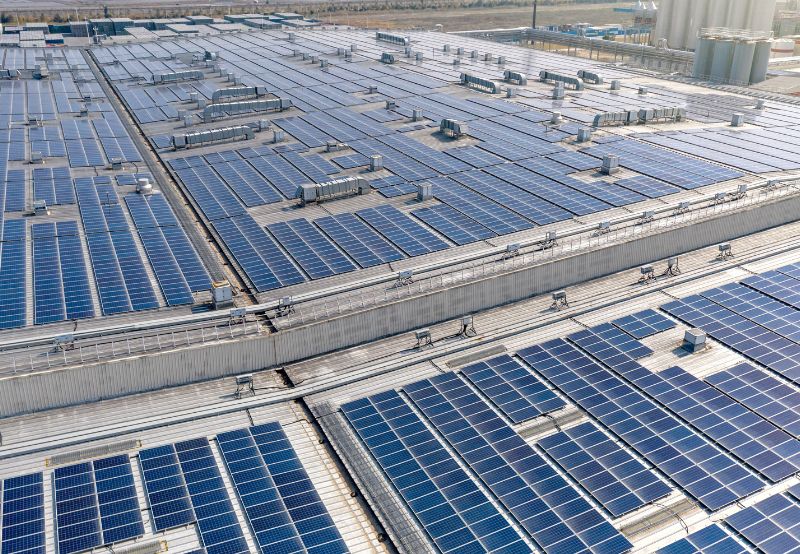
Key Factors That Affect Industrial Solar Panel Costs
kay factors that drive the cost

Several variables influence the final project cost:

1. System Size and Energy Demand

The larger the system, the higher the total cost—but the lower the cost per watt. Companies with high energy consumption often benefit from larger installations.

2. Type of Solar Panels

Industrial installations usually use:

  • Monocrystalline panels (higher efficiency, slightly higher cost)

  • Polycrystalline panels (lower cost, slightly lower efficiency)

High-efficiency panels may cost more upfront but require fewer panels to generate the same output.

3. Installation Type

  • Rooftop systems: Generally cheaper if the roof is structurally sound.

  • Ground-mounted systems: May require land preparation and foundations.

  • Carport systems: Higher structural costs but provide dual functionality (shade + power).

4. Inverters and Electrical Infrastructure

Industrial systems require large-scale inverters and possibly electrical upgrades. These components significantly impact total system cost.

5. Labor and Engineering

Industrial projects require:

  • Structural engineering

  • Electrical design

  • Permitting and inspections

  • Project management

Labor costs vary by region.

6. Incentives and Tax Credits

Government incentives can dramatically reduce the net cost. Examples include:

  • Investment Tax Credits (ITC)

  • Accelerated depreciation

  • Local rebates

  • Renewable energy certificates (RECs)

These programs can reduce total system costs by 20% to 50% depending on the region.

Industrial Solar Panel Cost Breakdown

Here’s a typical cost distribution for an industrial system:

  • Solar panels: 30%–40%

  • Inverters: 10%–15%

  • Mounting and racking: 10%–15%

  • Labor and installation: 15%–25%

  • Engineering and permitting: 5%–10%

  • Miscellaneous (monitoring, wiring, etc.): 5%–10%

Understanding these components helps businesses evaluate quotes more effectively.
Maintenance and Operating Costs

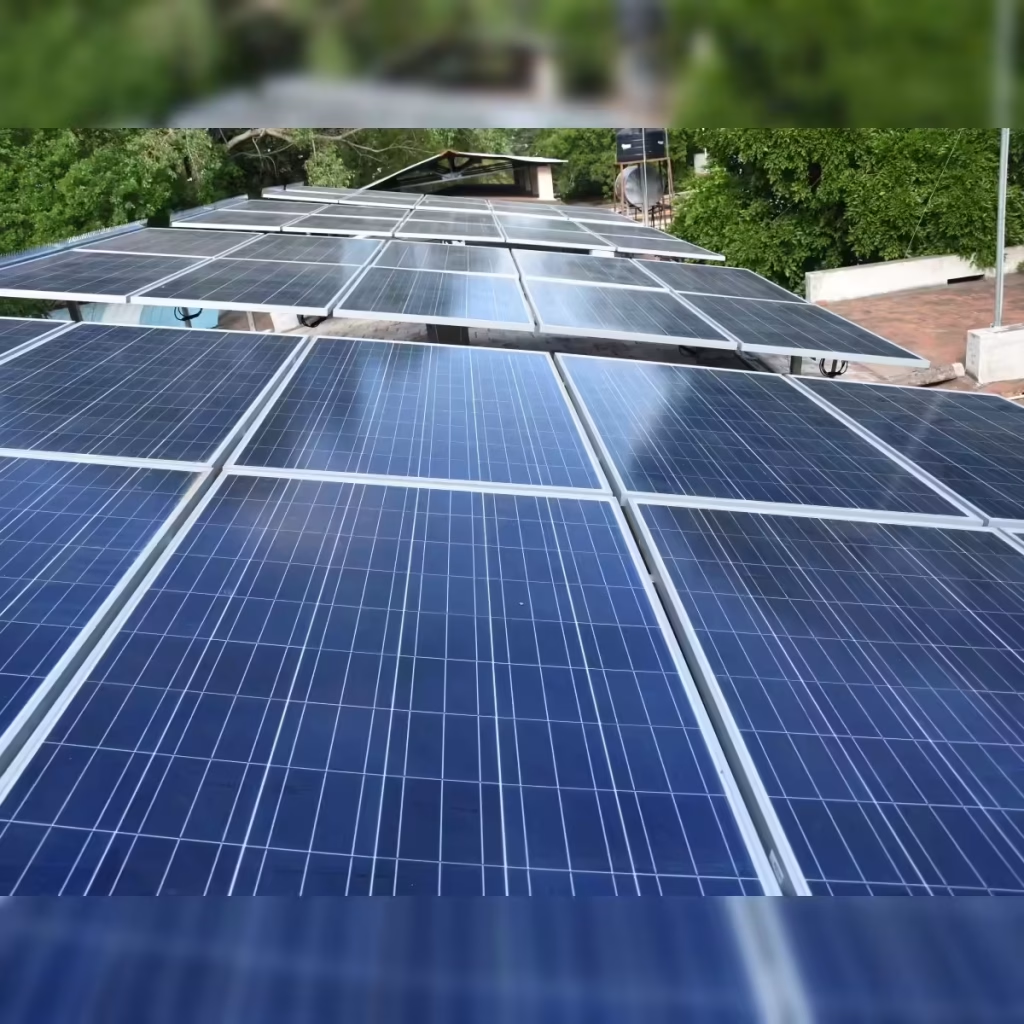
Industrial solar systems have relatively low ongoing costs.

Annual Maintenance Costs

Expect to pay approximately:

£10 to £20 per kW per year

For a 1 MW system, that equates to roughly £10,000–£20,000 annually.

Maintenance typically includes:

  • Panel cleaning

  • System inspections

  • Monitoring services

  • Inverter maintenance

Most panels come with 25-year performance warranties.

Return on Investment (ROI)

One of the biggest advantages of industrial solar systems is long-term savings.

Payback Period

Most industrial solar installations have a payback period of:

3 to 7 years

After this period, electricity generated is essentially free for the remaining lifespan of the system (20–30 years).

Internal Rate of Return (IRR)

Typical IRR ranges from:

8% to 15%, depending on electricity rates and incentives.

Higher local electricity costs result in faster payback.

Financing Options

Many companies choose financing instead of paying upfront.

1. Cash Purchase

  • Highest long-term savings

  • Full access to tax incentives

2. Solar Loans

  • Spread costs over time

  • Maintain ownership benefits

3. Power Purchase Agreements (PPAs)

  • No upfront cost

  • Pay only for electricity generated

  • Third party owns and maintains system

4. Solar Leasing

  • Fixed monthly payments

  • Lower upfront investment

Each option impacts the overall cost structure and ROI.

Hidden Costs to Consider

hidden costs to consider

When budgeting for industrial solar panels, also account for:

  • Roof reinforcement (if required)

  • Utility interconnection fees

  • Transformer upgrades

  • Energy storage (if adding batteries)

  • Downtime during installation

A professional site assessment helps identify these potential expenses early.

Are Industrial Solar Panels Worth the Cost?

For many industrial facilities, the answer is yes.

Benefits Include:

  • Lower long-term energy costs

  • Protection against rising electricity rates

  • Reduced carbon footprint

  • Improved ESG performance

  • Increased property value

  • Energy independence

In energy-intensive industries, solar can offset a substantial portion of operational expenses.

Frequently Asked Questions

How much does a 1 MW industrial solar system cost?

A 1 MW system typically costs between £800,000 and £1.5 million before incentives. After tax credits and rebates, the net cost can be significantly lower.

What is the lifespan of industrial solar panels?

Most industrial solar panels last 25 to 30 years. Inverters may need replacement after 10 to 15 years.

How much space is needed for industrial solar panels?

A 1 MW system typically requires 4 to 6 acres for ground-mounted systems or approximately 100,000 square feet of roof space.

Can industrial solar panels power an entire factory?

Yes, depending on the factory’s energy demand and system size. Many facilities offset 50% to 100% of their electricity usage with properly sized systems.

Do industrial solar systems require a lot of maintenance?

No. Maintenance is minimal compared to other industrial equipment. Regular cleaning and monitoring are usually sufficient.

Are there government incentives for industrial solar installations?

Yes. Many countries offer tax credits, accelerated depreciation, grants, and renewable energy incentives that significantly reduce upfront costs.

How long does installation take?

Industrial solar installations typically take 3 to 9 months, depending on project size, permitting, and grid interconnection requirements.

What happens during cloudy days?

Solar panels still generate electricity during cloudy conditions, though at reduced efficiency. Most systems remain connected to the grid for reliability.

Can batteries be added to industrial solar systems?

Yes. Battery storage systems can store excess energy for later use, but they increase upfront costs. However, they provide backup power and peak demand savings.

How do I calculate if solar is cost-effective for my facility?

To determine feasibility, evaluate:

  • Current electricity costs

  • Annual energy consumption

  • Available incentives

  • Roof or land availability

  • Financing options

A professional solar feasibility study can provide detailed financial modeling and ROI projections.

Final Thoughts

The cost of industrial solar panels ranges widely based on system size, design, and location. While upfront investment can be substantial, long-term savings, government incentives, and sustainability benefits make solar an increasingly smart financial decision for industrial businesses.

For companies with large energy demands, industrial solar is not just an environmental initiative—it’s a strategic investment in operational efficiency and long-term cost stability.