
Solar Farm Consultancy
Whether you are assessing land potential, developing a utility-scale solar farm, or optimizing an existing asset, our Solar Farm Consultancy provides the expertise you need at every stage. Contact us today to discuss your project. Arc provides independent solar farm advisory with no commercial interest in any contractor, developer, or equipment supplier appointed.
Expert Guidance for Successful Utility-Scale Solar Projects
There is a shift globally to use clean energy and this transformation is increasing. The key reason behind this change is utility scale solar farms. Setting up a solar farm is a complex process and involves land assessment, going through regulatory approvals, technical design, financial modeling, and long-term performance. With the guidance of professionals, projects can go through expensive delays, compliance risks, and minimised returns.
At Arc Renewables, we provide step-by-step guidance to help projects understand from early concept through commissioning and long-term operation. We work with landowners, developers, investors, and utilities to lower the risk of development, accelerate energy yield, and provide them with bankable solar assets that function over their full lifecycle.

Who We Work With?
We support a wide range of stakeholders across the solar energy value chain. Our clients include landowners evaluating solar leasing opportunities, renewable energy developers planning utility-scale projects, engineering and EPC contractors, financial institutions, independent power producers, and public-sector organizations.
Each group faces different challenges and objectives, which is why our consultancy services are tailored to meet specific technical, regulatory, and commercial needs. Whether you are exploring your first solar project or managing a multi-site portfolio, our expertise helps you move forward with confidence.
End-to-End Solar Farm Consulting Services
- Our approach to solar farm consultancy is holistic and lifecycle-focused. We provide integrated support at every stage of development and operation, ensuring technical feasibility, regulatory compliance, and financial viability.
- By combining engineering expertise, market insight, and rigorous analysis, we help clients make informed decisions that protect capital and accelerate project timelines.
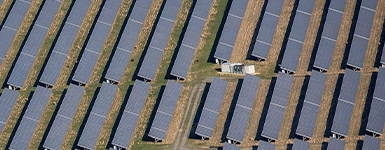
Site Identification & Feasibility Analysis
Successful solar farms begin with the right site. Our consultancy services include comprehensive site identification and feasibility analysis to determine whether a project is viable before significant capital is committed. We assess land characteristics such as size, topography, soil conditions, and orientation, as well as solar irradiance and long-term climate data.
Environmental and ecological screenings are conducted to identify potential constraints early, while proximity to grid infrastructure and substations is evaluated to reduce connection costs. We also review zoning regulations, land-use policies, and planning restrictions that may affect development. The result is a clear, data-driven feasibility assessment that supports confident go-or-no-go decisions and minimizes early-stage risk.
Permitting, Planning & Regulatory Compliance
Navigating the regulatory landscape is one of the most challenging aspects of solar farm development. Our consultancy team provides expert guidance on local, regional, and national planning requirements, helping clients secure permits efficiently and compliantly. We support planning applications, land-use change approvals, and environmental impact assessments where required.
In addition, we assist with stakeholder engagement and community consultation to address concerns and build local support for projects. Our experience working with utilities and regulatory authorities enables us to anticipate potential obstacles and reduce delays, ensuring that projects remain aligned with regulatory expectations throughout the development process.
Solar Farm Design & Engineering Support
Optimized design is essential to achieving maximum performance and long-term reliability. We provide solar farm design and engineering support that balances energy yield, cost efficiency, and durability. Our services include conceptual and detailed system design, layout optimization, and technology selection for modules, inverters, mounting structures, and tracking systems.
We also coordinate grid connection and electrical design requirements, ensuring compliance with relevant standards and utility specifications. By evaluating performance-cost trade-offs, we help clients select solutions that deliver strong returns while maintaining high operational resilience over the project lifespan.
Financial Modeling & Investment Advisory
Financial viability is critical to securing funding and achieving project success. Our solar farm consultancy includes robust financial modeling and investment advisory services to support informed decision-making. We develop detailed CAPEX and OPEX estimates, energy yield forecasts, and long-term revenue models based on realistic assumptions.
We also advise on Power Purchase Agreements, incentive structures, and market mechanisms, while conducting sensitivity and risk analyses to assess exposure to price, performance, and regulatory changes. Our financial insights help projects meet lender and investor requirements, strengthening bankability and improving access to capital.
Sustainability, ESG & Community Impact
Sustainability is central to solar energy projects. Our consultancy integrates environmental stewardship, ESG compliance, and community impact considerations into every stage of development. We support biodiversity planning, land restoration strategies, and ESG reporting requirements, helping clients align projects with sustainability goals and stakeholder expectations. Community benefit initiatives are also considered to ensure long-term social value and local acceptance.
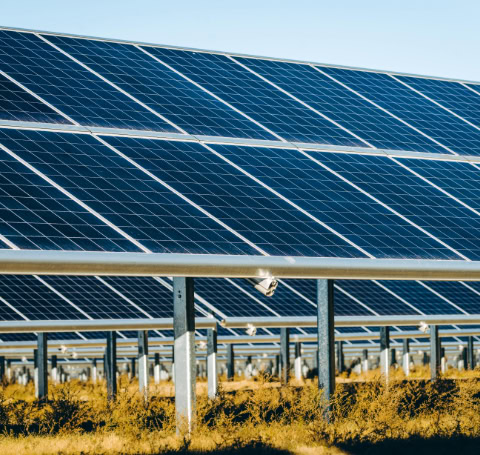

Procurement & Contractor Support
Selecting the right contractors and suppliers is key to quality, cost control, and timely delivery. We provide independent procurement and contractor support, including EPC tender preparation, bid evaluation, and vendor due diligence. Our team assists with contract reviews and negotiations to ensure fair risk allocation and clear performance expectations.
By identifying supply-chain risks and implementing quality assurance strategies, we help clients protect their investments and avoid common procurement pitfalls. Throughout the process, we act as a trusted advisor, focused solely on our client’s best interests.
Operations, Maintenance & Performance Optimization
Our support does not end at commissioning. We provide ongoing advisory services to optimize solar farm performance throughout its operational life. This includes performance monitoring, yield analysis, and loss identification, as well as the development of effective operations and maintenance strategies.
We also support asset management, lifecycle planning, and repowering or expansion feasibility assessments. By focusing on long-term optimization, we help clients protect revenue streams and maximize asset value.
Construction Management & Quality Assurance
During construction, effective oversight is essential to keep projects on schedule and within budget. Our consultancy services include construction monitoring, milestone tracking, and quality assurance inspections. We review health, safety, and environmental compliance, verify installation quality, and monitor progress against approved designs.
Any issues identified are addressed promptly through structured reporting and coordination with contractors. This proactive approach reduces rework, controls costs, and ensures that the completed solar farm meets performance and safety standards.
Grid Connection & Commissioning
Grid connection is a critical milestone for any solar farm. We support clients through the entire interconnection and commissioning process, coordinating with utilities to ensure compliance with technical and regulatory requirements. Our services include documentation support, grid compliance testing, and system performance verification.
By managing this process efficiently, we help projects achieve timely energisation and final acceptance, enabling a smooth transition from construction to operation.

Frequently Asked Questions – Solar Consultancy for Landowners
What is a solar farm consultancy?
A solar farm consultancy provides independent expert advice throughout the development of a solar project. This includes feasibility, planning, grid connection, commercial agreements, and risk management. Arc Renewables supports clients from early assessment through to long-term strategy.
Who can benefit from solar farm consultancy services?
Our services are suitable for landowners, renewable energy developers, investors, and public-sector organisations. Whether you are exploring land potential or progressing an active project, consultancy support helps reduce risk and improve outcomes.
How do I know if my land is suitable for a solar farm?
Land suitability depends on size, location, grid proximity, planning policy, and environmental constraints. Arc Renewables carries out detailed feasibility assessments to determine whether a site is viable before significant costs are incurred.
Do I need planning permission for a solar farm?
Yes, most solar farms require planning permission from the local authority. The process includes planning applications, environmental assessments, and stakeholder engagement. Arc Renewables provides expert planning support to guide projects through approval.
How long does it take to develop a solar farm?
Development timelines vary depending on site constraints, planning, and grid access. Typically, projects can take several years from feasibility to commissioning. Early consultancy input can help avoid delays and improve certainty.
What is grid connection and why is it important?
Grid connection allows electricity generated by a solar farm to be exported to the network. Availability, capacity, and cost are critical factors. Arc Renewables advises on grid options, risks, and commercial implications.
How are landowners paid for solar farms?
Landowners usually receive income through lease or option agreements with developers. Payments vary based on location, project size, and market conditions. Arc Renewables helps landowners assess and negotiate fair commercial terms.
Is Arc Renewables independent from developers?
Yes. Arc Renewables provides fully independent, supplier-neutral advice. We are not tied to developers, EPCs, or technology providers, ensuring all recommendations are aligned with our client’s best interests.
Can you help review solar lease or option agreements?
Yes. We review and advise on lease and option agreements to protect landowners’ rights, rental income, and future land use. Our role is to ensure agreements are commercially fair and robust.
Do you support projects beyond feasibility?
Absolutely. Arc Renewables offers end-to-end consultancy, including planning, grid strategy, procurement support, and long-term advisory. We remain involved as projects evolve and mature.
What size solar farms do you advise on?
We advise on a wide range of project sizes, from smaller commercial schemes to large utility-scale solar farms. Our approach is tailored to the scale and complexity of each project.
How do I get started with Arc Renewables?
You can contact us for an initial discussion to assess your project or land opportunity. We’ll outline next steps, potential risks, and how our consultancy services can support your goals.
Why Choose Our Solar Farm Consultancy?
Our solar farm consultancy is built on technical expertise, industry experience, and a client-first approach. We combine local market knowledge with global best practices to deliver practical, data-driven solutions. Our independent advice, transparent communication, and proven track record across diverse project types enable clients to navigate complexity with confidence and achieve successful outcomes.
- Proven Industry Experience
- Over 20 years of renewable energy expertise across UK solar projects
- Strong track record supporting landowners, developers, and investors.
- Insight gained from real-world delivery, not theory.
- Truly Independent Advice
- We are not tied to developers, EPCs, or technology providers.
- All recommendations are supplier-neutral and client-focused.
- Your commercial and strategic interests always come first.
- End-to-End Project Support
- Advisory services covering feasibility, planning, grid, and commercial stages.
- Continuity across the full solar farm lifecycle.
- Reduced risk through joined-up decision-making.
- Strong Market Knowledge & Networks
- Deep understanding of UK solar markets and planning frameworks.
- Access to trusted developers, investors, and technical specialists.
- Market-aligned advice based on current conditions and trends.
- Landowner-Focused Protection
- Clear, independent guidance on lease and option agreements.
- Support securing fair rents and long-term land protection.
- Focus on safeguarding future land use and restoration.
- Technical & Commercial Clarity
- Robust feasibility, grid, and constraint assessments.
- Clear commercial insight to support confident decisions.
- Balanced advice linking technical detail with financial outcomes.
- Tailored, Client-Specific Solutions
- No two projects are treated the same.
- Advice shaped around your objectives, risks, and timelines.
- Practical solutions grounded in real-world delivery.
- Commitment to Sustainable Outcomes
- Support for responsible, well-planned solar development.
- Consideration of environmental, community, and ESG factors.
- Projects designed to deliver long-term value and impact.
- Transparent Communication
- Clear reporting and straightforward advice at every stage.
- No unnecessary complexity or hidden agendas.
- Helping clients make informed, confident decisions.
- A Trusted Long-Term Partner
- Support beyond feasibility and planning stages.
- Ongoing advice as projects evolve and mature.
- Focused on helping your solar project succeed long-term.
Latest News
Commercial Solar & Renewable Energy Solutions for Businesses
Energy is getting more expensive, sustainability targets are becoming more significant, and customers and investors are pressuring companies to operate responsibly. Today, far-sighted companies are recognizing that commercial solar and renewables are…
PPA Financing Models: Commercial Power Purchase Agreements in the UK
Multiple reasons for this changing landscape include: decarbonisation targets, electricity price volatility (spikes in electricity prices), and corporate net zero commitments. Commercial Power Purchase Agreements (PPAs) have become important components…
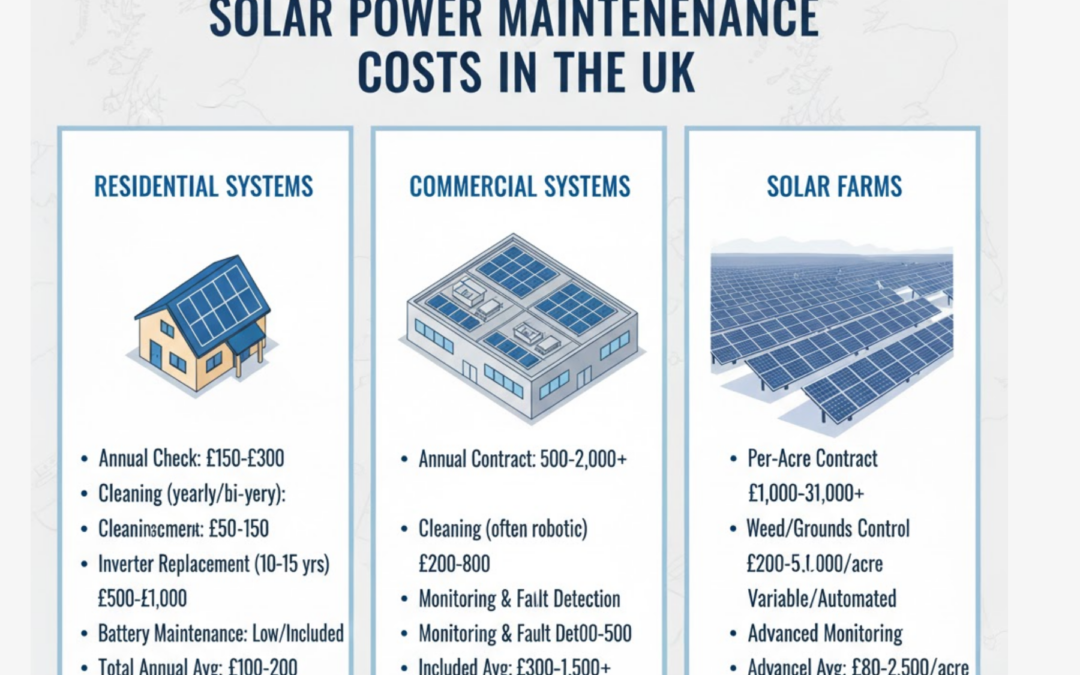
Solar Power Maintenance Costs in the UK
Solar Power Maintenance Costs in the UK: A Complete Guide for Long-Term Value Solar power is at the very heart of the UK’s growing energy transition, and thousands of homes,…
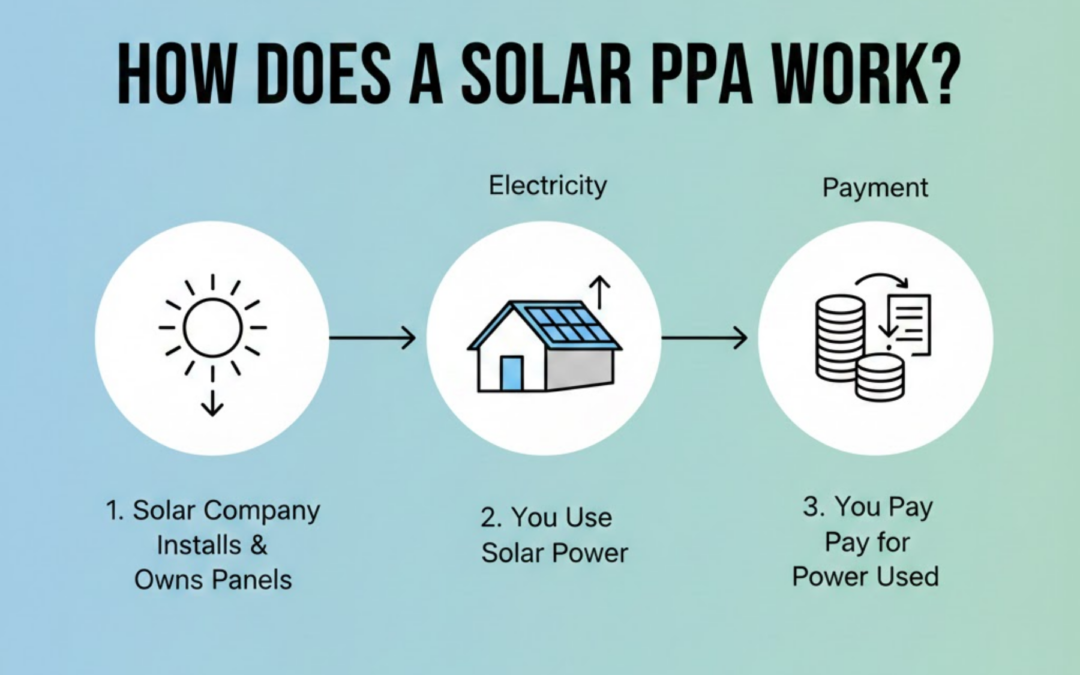
How Does a Solar PPA Work
How Does a Solar PPA Work in the UK: A Simple Guide For Businesses in the UK The cost of electricity is unpredictable in the UK, and with greater pressure coming…
Top 20 Solar Farms in the UK
Top 20 Solar Farms in the UK: In the past ten years, the UK has changed significantly. The country is experiencing a boom in solar power throughout the UK. Solar…
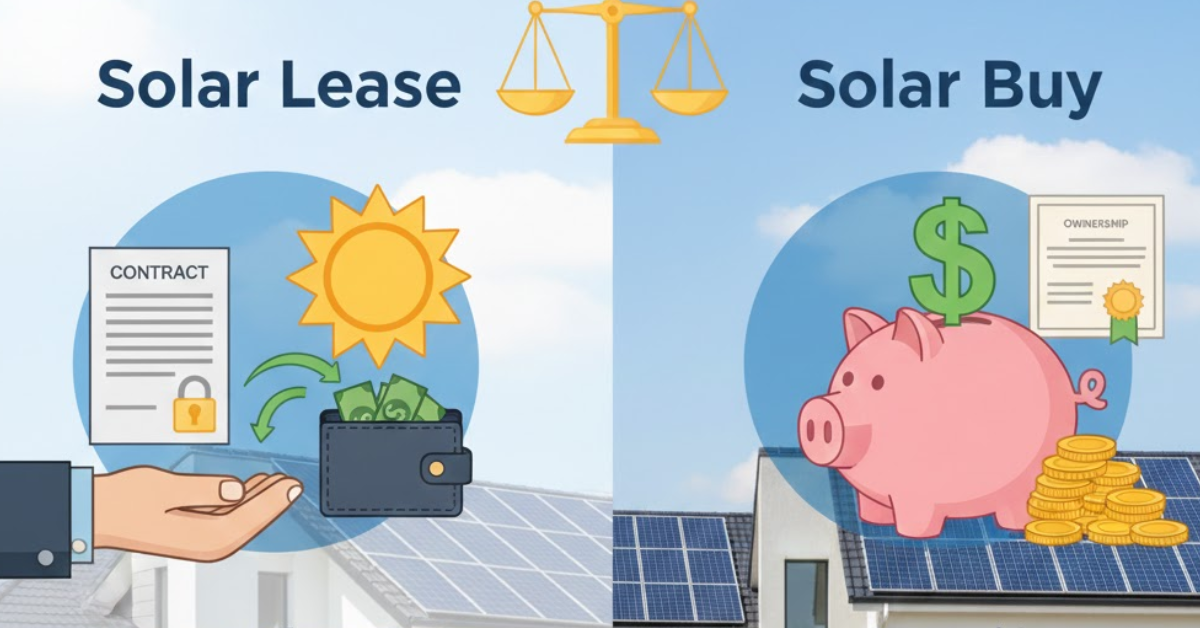
Solar Lease vs. Buy: Which is Better?
Solar energy is one of the growing renewable power sources across the world, especially in the UK. This renewable power source is gaining popularity for its abilities such as reduced…
Can Businesses Get Grant Or Financial Support For Solar Panels?
Energy bills going up again? You’re not alone. All over the UK, small and large, all types of businesses are feeling the pressure of growing electricity costs, tighter margins, and…
Do Solar Panels Need Maintenance?
Thinking to go solar or already have solar panels installed on your roof but don’t know what it takes to keep them perfectly fine? You are not the only one…
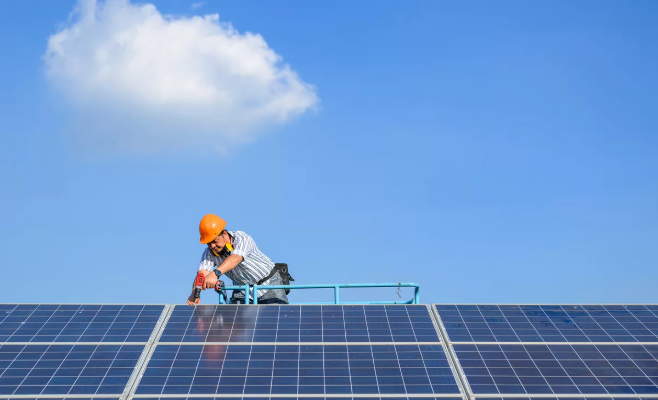
How to Install Commercial Solar Panels
How to Install Commercial Solar Panels: A Step-by-Step Guide for UK Businesses: Rising energy prices and volatile electricity tariffs are pushing UK businesses to adopt more sustainable practices. As a result,…
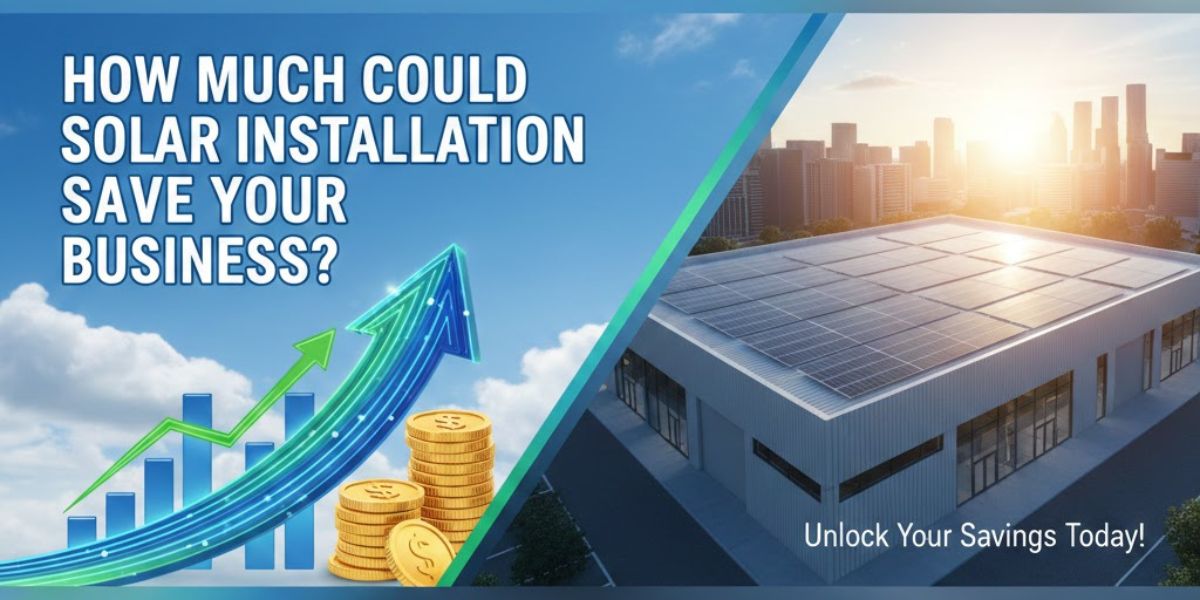
How Much Could Solar Installation Save Your Business?
Every business owner get a monthly headache whenever they go through their electricity bills. Whether you run a small business, a big office, or a large manufacturing facility, the cost…
Accreditations & Standards
Arc Renewables is RICS-accredited, MCS Certified, ISO 9001 and ISO 14001 certified, and CHAS Advanced accredited providing the professional standards framework that institutional clients, property funds, and commercial operators require from an independent energy advisor.

ISO 9001 Certified
Quality Management System certification. Signals process rigour and consistent delivery standards.

ISO 14001 Certified
Environmental Management System certification. Relevant for sustainability-conscious clients.

RICS Accredited
Professional standards aligned with commercial property sector. The single most important trust signal for property investors, asset managers, and REITs.

MCS Certified
Microgeneration Certification Scheme. Relevant for commercial solar installations. Signals technical compliance.

NAPIT
Compliance certification for electrical and renewable energy work.

CHAS Advanced
Contractors Health and Safety Assessment Scheme Advanced level. Signals H&S compliance for construction-related work.
Trusted by industry-leading companies across the UK
Arc will review your current Net Zero strategy, your reporting obligations, and your existing procurement arrangements — and tell you honestly whether the pathway holds up under SBTi, TCFD, and SECR scrutiny.




Get in touch
Get in touch today to find out more about what we can do to help you.