
Net Zero
Simplifying the path to net zero, we help bridge the gap between real estate and low carbon solutions.
How Your Business Can Achieve Net Zero Carbon Emissions
A firm has two options to achieve carbon neutrality and create a net-zero building: balancing carbon emissions or reducing them entirely. Balancing emissions involves offsetting the environmental impact by compensating for CO₂ elsewhere, with the goal of reaching net zero by 2050. However, this approach doesn’t address the root environmental issue, as it only results in a theoretical zero rather than an actual reduction in emissions.
A more effective strategy is to change the energy sources and methods used by industries, eliminating carbon emissions altogether. This can be accomplished through renewable energy solutions such as solar power, battery storage, and electric vehicle charging.
The constructed environment contributes roughly 40% of the emissions that the UK is targeting to eradicate by 2050. In the pursuit of net-zero emissions, the ways in which we design, manage, and utilise our buildings are undergoing substantial transformation. Reaching this ambitious target requires a unified effort across all segments of society, emphasising three key actions: improving efficiency, producing clean energy, and adopting offsetting measures.

These actions are interconnected; improving efficiency simplifies the transition to emission-free energy sources, ultimately minimizing the residual footprint that requires offsetting. Thus, enhancing the energy performance of our buildings is crucial for their role in achieving net-zero emissions. We offer technical solutions that are both economically viable and energy efficient across various sectors, from nuclear power to healthcare.
The UK government’s net-zero strategy hinges on swiftly decarbonizing the national electricity grid, prompting a shift towards electrifying buildings and transportation to leverage a clean energy supply. By 2050, energy demand is projected to double compared to today, with legislation mandating that all energy generation come from renewable sources.
New construction projects must adhere to increasingly stringent regulations that promote high-performance standards. Initiatives like Design for Performance are urging developers to focus on energy intensity in addition to carbon emissions. However, a significant portion of the buildings that will exist in 2050 have already been constructed, necessitating substantial renovations to reduce energy consumption and eliminate dependence on fossil fuels.
The ultimate goal is to establish a zero-carbon supply that meets demand while staying within the Paris Agreement budgets for 2050. Failing to do so poses considerable risks to energy security, fuel affordability, and the viability of assets.
Get a quote
Contact us today to receive a detailed quote tailored to your net zero requirements.
How We Can Assist You:
Energy Analysis:
We analyse historical data and monitor current usage to understand energy consumption at both portfolio and asset levels. This helps us establish baselines and test future scenarios.
Strategic Pathways:
We create tailored strategies for existing buildings to achieve net-zero targets, implementing engineered solutions to support these goals.
Consultancy for New Developments:
Our services include advice on concept design, passive design strategies, energy strategies, smart building solutions, and renewable technologies.
We have extensive experience assisting businesses across various industries in the UK to reduce their carbon footprint and move toward net zero. Our team can collaborate with you to design and implement a tailored renewable energy solution that significantly contributes to your company’s CSR goals. We also ensure that the right solution is put in place to meet and surpass any compliance requirements.
Aftercare, maintenance, and system longevity are central to our business strategy. That’s why we equip you with the tools to monitor your system’s performance and assist with any communication needs. In collaboration with our expert onsite team, we offer continuous support throughout the lifespan of your system, ensuring you achieve consistent, long-term benefits year after year.
As we journey towards a net-zero economy, the transition to electric heat and transport is expected to double energy demand over the next 30 years.
The built environment is responsible for around 40% of the emissions that the UK is looking to eradicate by 2050. How we build, maintain and operate our buildings is changing in response to the challenge of reaching net zero.
This will require new low-carbon generation and energy storage technologies, as well as the development of grid infrastructure to transport power to the end consumer. Considered planning and investment in infrastructure is essential to generate, distribute and supply the low carbon electricity that will be needed on a national, local and site-specific basis. We specialise in creating high value projects in this everchanging, complex and growing market for Investors and Funds, Landowners, Developers, Renewable energy developers and Occupiers.

Frequently Asked Questions – Net Zero Consultancy
What does “net zero” mean for my business?
Net zero refers to reducing your organisation’s carbon emissions as far as possible, then balancing any remaining emissions through verified offsetting. Achieving net zero typically involves improving energy efficiency, adopting clean energy technologies, and addressing any residual impact through responsible offsetting measures.
How can Arc Renewables help my business reach net zero?
We provide strategic advice, energy analysis, technical assessments, and engineered solutions that support decarbonisation. This includes renewable energy integration, efficiency improvements, smart building strategies, compliance guidance, and long-term planning tailored to your assets and operational needs.
Do I need to upgrade my existing buildings to achieve net zero?
In many cases, yes. Because most buildings that will exist in 2050 are already built, retrofitting is essential. This may include improving insulation, upgrading heating systems, integrating renewable energy, adding battery storage, or implementing smarter energy controls. We help you identify the most cost-effective upgrades.
What renewable technologies support a net zero strategy?
Common solutions include solar PV, battery storage, electric vehicle charging, heat pumps, and smart building controls. We recommend technologies based on your site’s characteristics, energy profile, regulatory requirements, and long-term goals.
How does energy analysis support net zero planning?
By examining historical consumption and real-time performance data, we establish accurate baselines and assess where reductions can be made. This helps us test future scenarios, prioritise interventions, and design practical pathways to meet your organisation’s net zero objectives.
What is the difference between reducing emissions and offsetting them?
Reducing emissions involves directly lowering your carbon output through efficiency improvements or clean energy adoption. Offsetting compensates for unavoidable emissions by investing in external carbon reduction projects. While offsetting has a role, long-term net zero goals prioritise actual reductions wherever possible.
What role do new buildings play in achieving net zero?
New developments must meet increasingly high energy performance standards. We support clients with energy strategies, passive design measures, concept design reviews, and integration of renewable technologies to align with modern regulatory frameworks and future-proof their assets.
What about energy demand as the UK transitions to electrification?
As buildings and transport shift toward electricity, national demand is expected to rise significantly. We help clients plan for this transition by assessing on-site generation, storage options, grid capacity, and long-term energy resilience strategies.
Who is responsible for long-term system maintenance?
Arc Renewables provides guidance on aftercare and system longevity. We equip clients with monitoring tools and work alongside specialist on-site teams to ensure systems remain efficient, compliant, and reliable throughout their lifecycle.
How do I know if my portfolio is on track for net zero?
We conduct assessments at portfolio and asset levels, comparing energy performance against industry benchmarks and regulatory expectations. This allows us to identify gaps, prioritise improvements, and build a clear roadmap for decarbonisation.
Can Arc Renewables support investors and landowners, not just occupiers?
Yes. We work with investors, developers, landowners, renewable energy operators, and commercial occupiers. Our services range from strategic planning to grid connection considerations and high-value project development in the growing low-carbon market.
How do I get started on my net zero plan?
You can contact us today to discuss your goals. We will review your energy performance, site requirements, and regulatory obligations before recommending the most appropriate strategy.
Our Approach
Every development faces similar energy-related challenges. To help our clients harness renewable energy’s potential, we adopt a distinctive approach:
Custom Solutions for Clients:
Driven by our core values, we prioritise your needs at every stage. By simplifying complex concepts and collaborating closely with you, we deliver solutions tailored to your specific goals.
Our Services Include:
- Comprehensive property services focused on the energy sector.
- Technical and commercial strategies for financing, developing, and disposing of standalone low-carbon generation, storage, and hydrogen projects.
- Land identification and constraint analysis.
- Assistance with land purchasing and leasing.
- Acquisition, disposal, and valuation of energy assets.
- Energy development strategies that diversify income for landowners and eliminate barriers to commercial development.
- Innovative energy services, including electrification projects that encompass heating, low-carbon generation, storage, and transportation.
- Management of grid connection applications and coordination.
- Design and implementation of renewable energy solutions and electric vehicle charging infrastructure.
- Strategies for new builds and retrofits aimed at achieving net-zero emissions while removing obstacles to development.

Improve your sustainability

Reduce your energy costs
How we can help
The ARC Renewables Energy Team brings extensive experience and market insight to help land and property owners secure optimal commercial terms for solar PV installations. Whether investing in rooftop solar to offset energy costs or negotiating complex options for large-scale solar farms, we excel at delivering tailored advice.
We focus on supporting those involved in green energy projects or enhancing their sustainability efforts. If you are a land or property owner who:
- Has received inquiries from developers or energy firms
- Is contemplating diversifying your agricultural, estate, or business operations
- Seeks to reduce energy costs
- Is exploring ways to offset emissions to meet net-zero objectives
- Desires guidance from seasoned sustainability strategists
Then we are here to help. Our team specialises in facilitating green energy projects and enhancing sustainability. We understand the potential for clean energy generation to yield significant financial benefits, bolster your environmental reputation, and positively impact communities.
Recognising the complexity of choices and the long-term implications of agreements, we offer our expertise in navigating these decisions. We assist farmers, landowners, businesses, and investors in their green strategies by:
- Conducting feasibility audits and cost-benefit analyses to develop coherent strategies for green diversification.
- Identifying the most appropriate renewable energy generation systems.
- Researching and recommending suitable development and utility partners.
- Reviewing commercial proposals from developers or energy companies to ensure alignment with clients’ revenue and asset protection goals.
- Ensuring compliance with legal standards, such as the Landlord & Tenant Act (1954).
- Negotiating lease extensions and project repowering when necessary.
- Assessing the financial and physical impacts of decommissioning technology or sites at the end of their life.
Latest News
Rooftop Solar Solutions – Building-Integrated Renewable Energy
Are you looking to turn your building (commercial or residential) into a power plant? It sounds futuristic and advanced, yes, it is possible with rooftop solar solutions and building-integrated renewable…
Best Solar Panels For Industrial Use
Best Solar Panels For Industrial Use In the UK, the demand for solar panels for industrial use is growing rapidly because factories, warehouses and manufacturing units are looking to reduce…
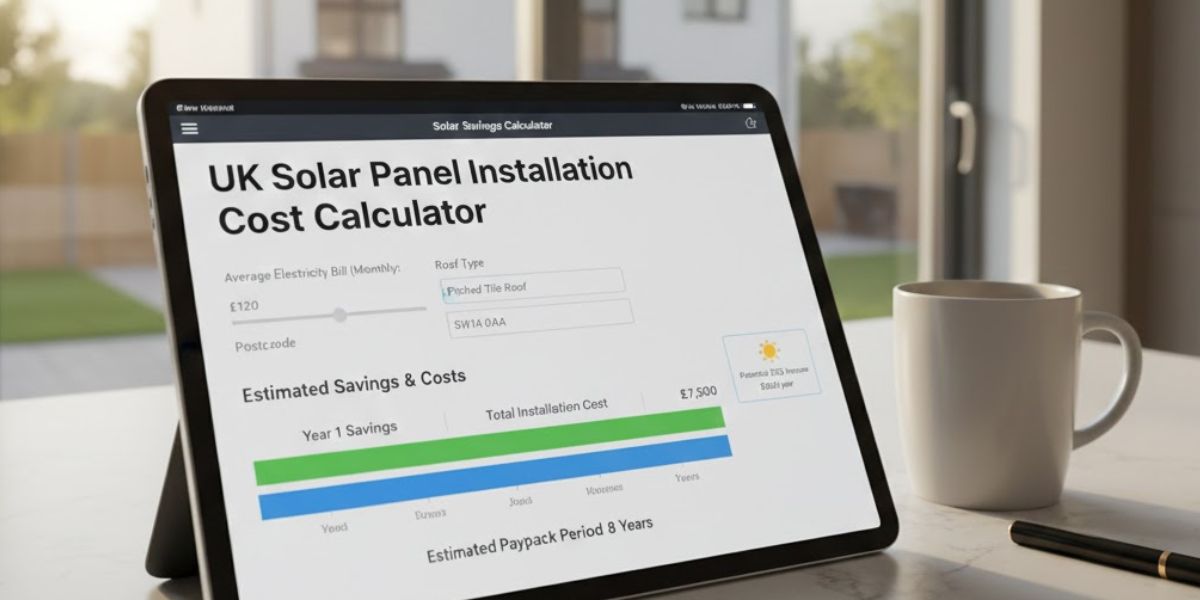
Solar Panel Installation Cost Calculator
Solar Panel Installation Cost Calculator: In the year 2026, installing solar energy systems will be one of the most wise decisions regarding finances and environment you can make. People often want…
Solar Installation & Implementation – Commercial Solar Projects
The UK commercial energy sector is changing quickly. The impact of increasing electricity costs, tougher carbon regulations, and corporate net-zero commitments are changing the way companies purchase energy. Solar is…
Commercial Solar & Renewable Energy Solutions for Businesses
Energy is getting more expensive, sustainability targets are becoming more significant, and customers and investors are pressuring companies to operate responsibly. Today, far-sighted companies are recognizing that commercial solar and renewables are…
PPA Financing Models: Commercial Power Purchase Agreements in the UK
Multiple reasons for this changing landscape include: decarbonisation targets, electricity price volatility (spikes in electricity prices), and corporate net zero commitments. Commercial Power Purchase Agreements (PPAs) have become important components…
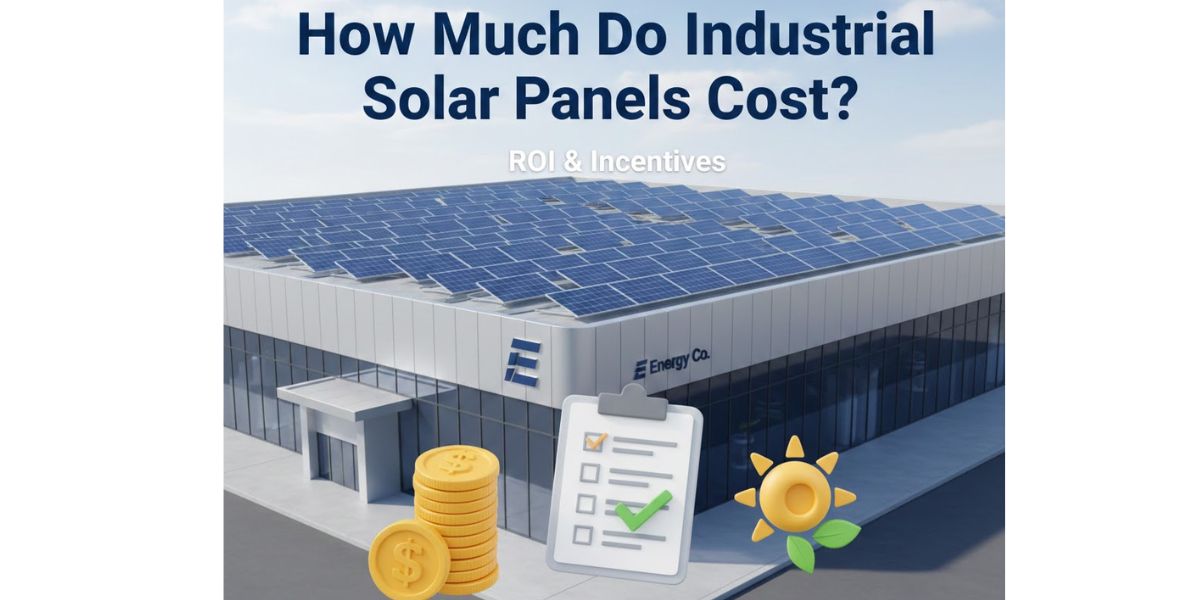
How Much Do Industrial Solar Panels Cost
Wondering How Much Do Industrial Solar Panels Cost in the UK? The answer is Industrial Solar Panels typically cost approximately £600 to £1,000 per kWp installed. Solar energy has become…
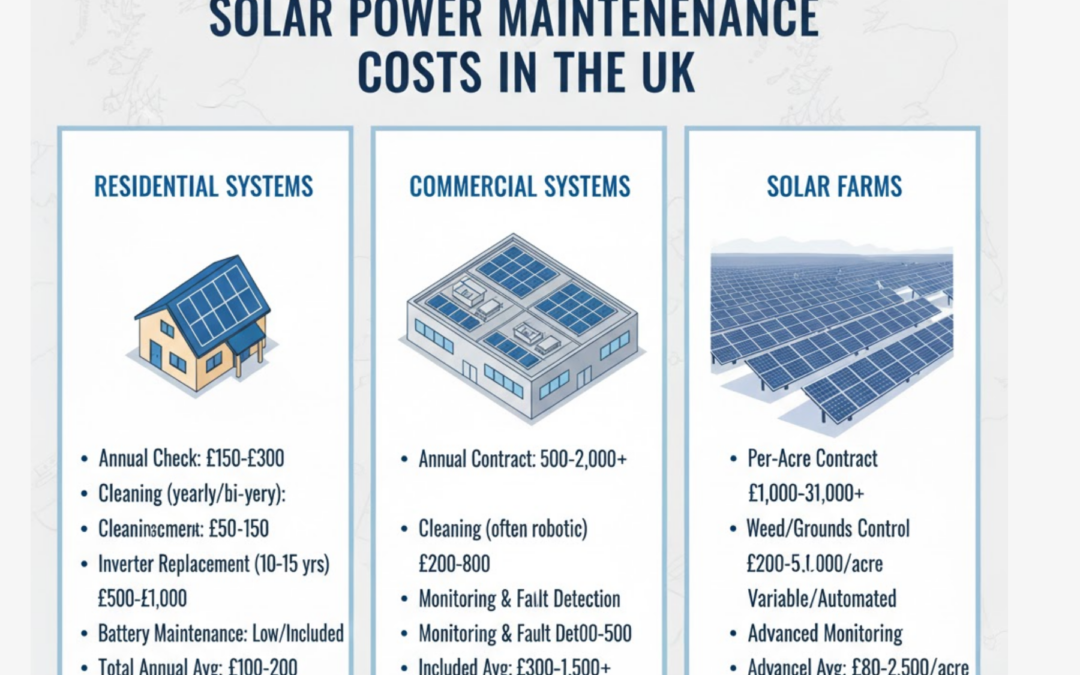
Solar Power Maintenance Costs in the UK
Solar Power Maintenance Costs in the UK: A Complete Guide for Long-Term Value Solar power is at the very heart of the UK’s growing energy transition, and thousands of homes,…
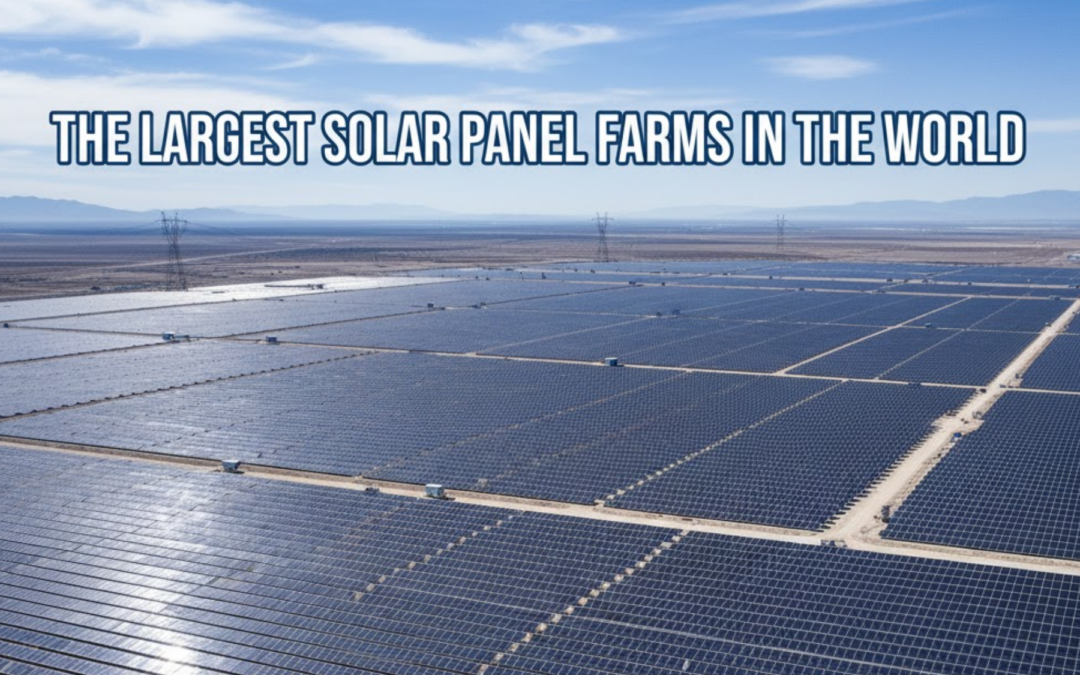
The Largest Solar Panel Farms in the World
The Largest Solar Panel Farms in the World: Solar power is also one of the world’s fastest growing sources of new energy. Solar panel farms are becoming crucial infrastructure as nations pursue net-zero…
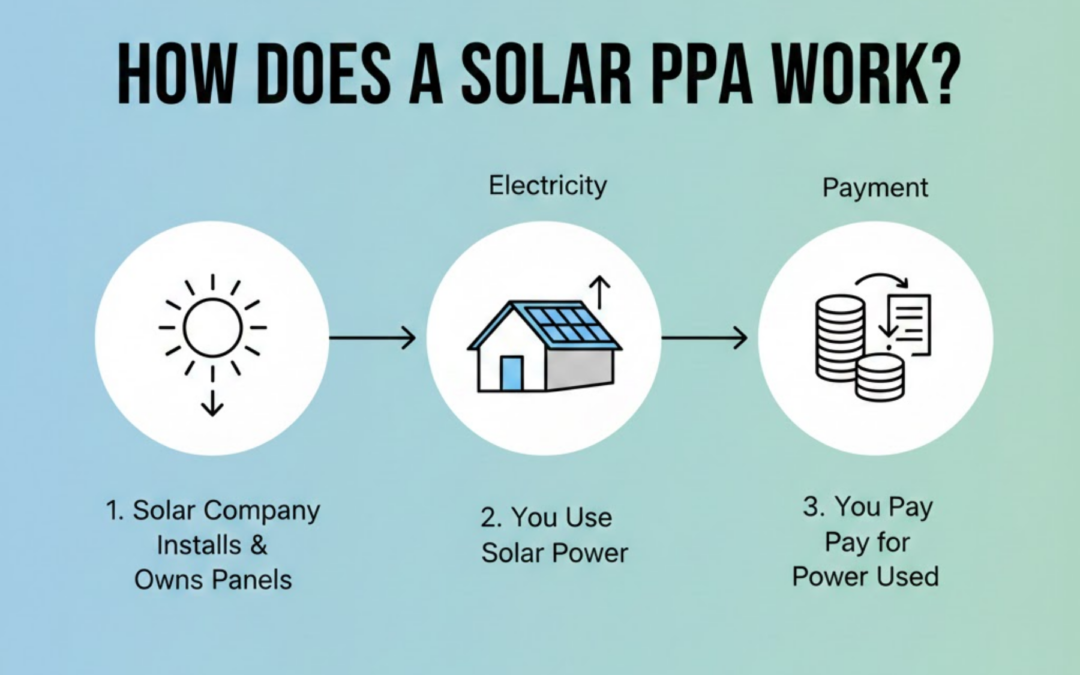
How Does a Solar PPA Work
How Does a Solar PPA Work in the UK: A Simple Guide For Businesses in the UK The cost of electricity is unpredictable in the UK, and with greater pressure coming…
"As independent experts, we partner businesses, supporting them to find the best deal to maximise their energy savings and move closer towards Net Zero."
Andrew Gardner, Director
Trusted by industry-leading companies across the UK







Get in touch
To explore how we can help your organisation achieve its green energy and sustainability goals, please reach out to us today.